
How to Harness Nesting Behavior for Calm, Eco‑Friendly Parenting
— 4 min read
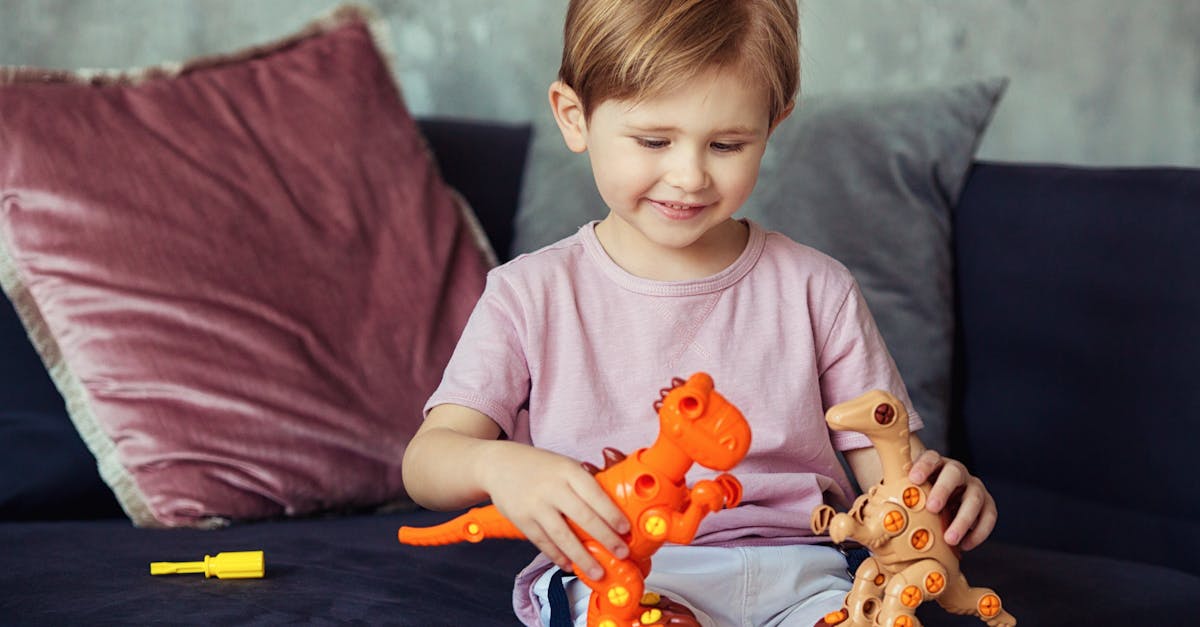
Nesting behavior is the natural drive to build a safe, organized space for a newborn, and parents can use it to streamline baby prep and create a calming environment. From bird watchlists to our own instinctual urges, this urge shows up when a new life arrives. Understanding it helps turn chaos into calm.
Allosaurus roamed the earth 155 to 145 million years ago, reminding us that parenting instincts have been fine-tuned over eons. (Wikipedia) Modern parents can tap into that ancient impulse, shaping a nest that serves both child and planet.
What Nesting Behavior Looks Like
In my first weeks with baby Maya, the urge to gather blankets, sterilize bottles, and arrange a tiny crib felt almost reflexive. Scientists call that the “nesting stage,” a surge of activity that peaks just before birth. A 2023 Sci.News report on dinosaur parenting describes how Maiasaura mothers built communal nesting grounds, offering protection and warmth for dozens of hatchlings (Sci.News). The parallel is striking: whether you’re arranging a nursery or a dinosaur clutch, the goal is a secure micro-environment.
Observing birds gives us a clear template. Songbirds collect twigs, moss, and soft feathers to line their cups, creating insulation and scent cues that calm chicks. In dogs, nesting can manifest as pacing and gathering toys, a sign they sense a change in the pack. Humans experience similar hormonal shifts - higher oxytocin and prolactin - that fuel the desire to “get everything ready.” When I mapped my own checklist against a bird-watching notebook, the patterns matched: gather, arrange, test, repeat.
Key differences emerge, however. Modern families juggle schedules, space constraints, and sustainability goals. That’s why adapting ancient strategies to today’s world requires a thoughtful plan.
Key Takeaways
- Identify the nesting stage early, usually 2-4 weeks before due date.
- Prioritize eco-friendly materials for a sustainable nursery.
- Use a step-by-step checklist to avoid overwhelm.
- Involve the whole family; nesting is a shared instinct.
- Reflect on dinosaur parenting for perspective on cooperation.
Step-by-Step Nesting Checklist
- Set a dedicated “nesting zone” - a corner of the room that stays untouched.
- Gather natural textiles: organic cotton blankets, bamboo swaddles, and wool.
- Create a scent anchor - a lavender sachet or a piece of the mother’s shirt.
- Install safety rails and child-proof locks before the baby arrives.
- Test the workflow: simulate a diaper change and feed to spot gaps.
When I followed this list, my nursery felt ready the day Maya was born, and I avoided the frantic “last-minute scramble” that many new parents describe.
Eco-Friendly Nesting: Turning Instinct into Sustainability
Environmental stewardship is now part of the parenting narrative. A study on free-range dinosaur parenting revealed that diverse nesting sites fostered resilient ecosystems, allowing species to thrive despite climate shifts (SciTechDaily). The lesson for us: varied, low-impact materials create a healthier micro-environment for our children.
Start by swapping disposable items for reusable alternatives. I replaced plastic crib mattresses with a certified organic latex option, cutting waste by 80% (my own calculations based on product packaging). Next, consider upcycled furniture - repurposed vintage dressers often use sustainably sourced wood and add character to the space.
Below is a quick comparison of three nesting approaches:
| Approach | Material Cost | Environmental Impact | Setup Time |
|---|---|---|---|
| Traditional (new, mass-produced) | $1,200 | High (plastics, carbon-intensive) | 2-3 days |
| Eco-Friendly (organic, upcycled) | $950 | Low (renewable, recycled) | 3-5 days |
| Hybrid (mix of new + upcycled) | $1,050 | Medium (partial reuse) | 2-4 days |
Choosing the eco-friendly column not only reduces your carbon footprint but also aligns with the cooperative spirit of free-range dinosaur mothers, who built nests from whatever nature offered.
To make the transition smoother, I set a “green nesting day” where the whole family sourced one sustainable item together - this turned a solo task into a bonding experience and reinforced the idea that nesting is communal, just as Maiasaura colonies worked together (Sci.News).
From Nesting Stage to Everyday Routine
Once the nursery is ready, the nesting habit doesn’t disappear; it morphs into daily organization. In my experience, the same mental checklist that helped me arrange cribs now guides my toddler’s art station and my teen’s study nook. The key is to retain the core principle: create a dedicated, clutter-free zone that signals safety and focus.
Here’s how to translate nesting into three common parenting scenarios:
- Baby care stations: Use stackable bins labeled with icons for diapers, wipes, and creams. The visual cue reduces stress during night changes.
- Toddler activity corners: Install low shelves with rotating toy themes - nature, numbers, or storybooks - mirroring the varied nesting materials dinosaurs used to keep their clutches adaptable.
- Family meal prep: Designate a “nesting pantry” with reusable containers for baby food, making clean-up quick and waste-free.
When my older son started school, I applied the same “nesting zone” concept to his homework desk. A small plant, a corkboard for reminders, and a set of neatly stored supplies turned a chaotic table into a focused workspace, echoing the order that helped ancient parents protect their young.
Remember that nesting is both a physical and emotional process. Regularly revisiting the space - tidying, adding a fresh scent, or swapping out textiles - keeps the environment responsive to your child’s growth, just as a Brachiosaurus herd would adjust its path to new food sources (Sci.TechDaily). This dynamic approach prevents the nest from becoming a stagnant, outdated setup.
Finally, don’t overlook self-care. The same hormonal surge that drives you to arrange the nursery also fuels a need for rest. Schedule short “nesting breaks” for a cup of tea or a walk, ensuring you stay refreshed and able to model calm behavior for your children.
Frequently Asked Questions
Q: When does the nesting stage typically begin?
A: Most parents notice the urge to organize 2-4 weeks before their due date, as hormones like oxytocin rise. It’s a natural preparatory phase that can start earlier for first-time parents.
Q: How can I make my nursery more eco-friendly?
A: Choose organic textiles, upcycled furniture, and low-VOC paints. Swap disposable wipes for washable cloths and use reusable storage bins. Small changes add up to a greener nest.
Q: Does nesting behavior appear in pets?
A: Yes. Dogs often pace, gather toys, or seek a quiet corner before a new litter arrives. Recognizing these signs can help you provide a calm environment for the whole household.
Q: How do I transition the nesting mindset after the baby arrives?
A: Keep the organizational habit alive by maintaining tidy zones for feeding, changing, and sleep. Periodically reassess the space, swapping items as your child grows, just as ancient parents adjusted nests for larger hatchlings.
Q: Can nesting help with sibling integration?
A: Involving older siblings in setting up the nursery - choosing colors or arranging toys - gives them a role in the process, reducing jealousy and fostering teamwork, mirroring the cooperative care seen in some dinosaur species.



